Source Vertical Touch Screen Game Machine for Bars, Clubs, and Gamerooms
Source the vertical touch screen game machine for commercial venues like bars, clubs, and gamerooms. Compare 30 models featuring metal cabinets, VGA/HD outputs, and multi-currency detection. Options include counter-top and standalone versions with 23.6-inch or 43-inch displays for skill-based entertainment.
Key considerations
Products List








Comprehensive Sourcing Guide
Vertical Touch Screen Game Machine Sourcing Guide
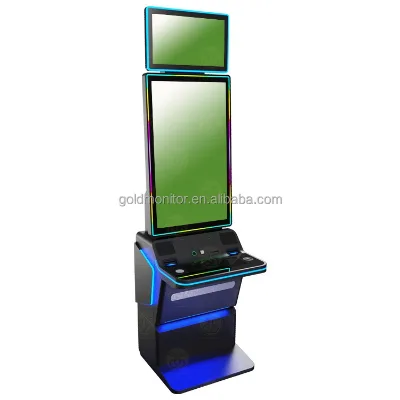
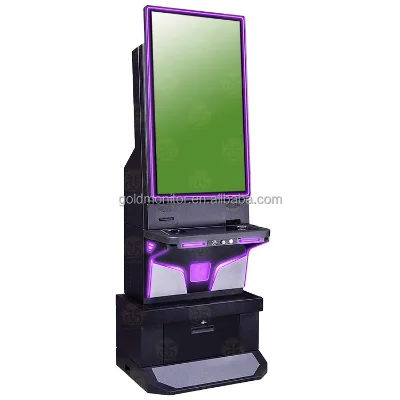
Vertical touch screen game machines represent a specialized segment of arcade and entertainment hardware designed for compact floor plans while maximizing interactive engagement. These units typically feature tall, narrow form factors that allow operators to place multiple machines in high-traffic areas like bars, hotels, and game rooms without consuming excessive square footage. The vertical orientation often pairs with curved or flat screens to create an immersive visual experience that draws players in from a distance.
Procurement decisions for these machines must account for the specific operational environment, as the hardware is engineered for high-usage commercial settings. Buyers should verify that the selected model supports the intended currency detection capabilities, whether single or multi-currency, to ensure compatibility with local payment systems. The customization options available, including button configurations and language settings, are critical for tailoring the machine to specific regional preferences and user demographics.
Product Scope and Observed Listing Signals
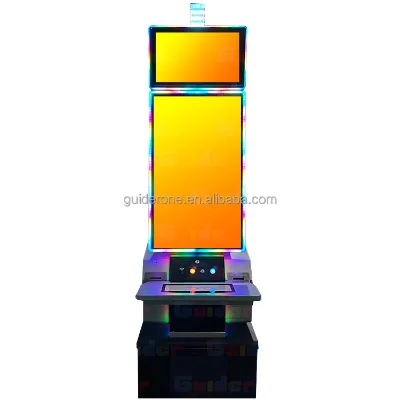
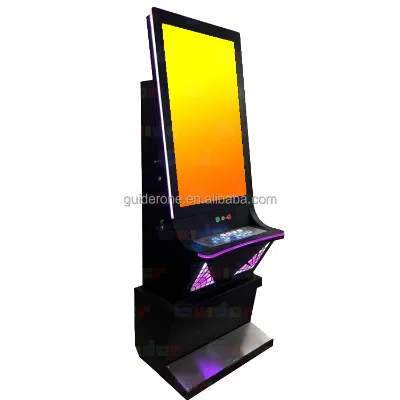
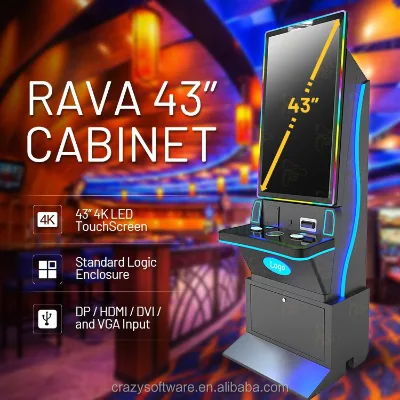
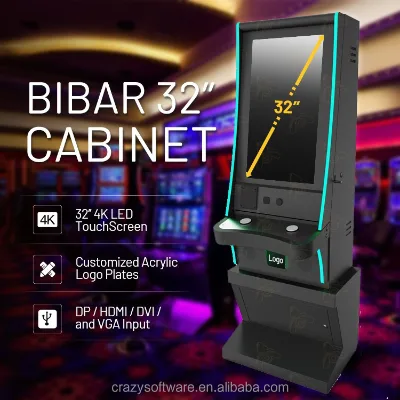
The observed market listings for vertical touch screen game machines reveal a diverse range of models, from counter-top units to standalone floor-standing versions. Product names often vary between "Game Machine," "Gaming Machine," and "Skill Game Machine," indicating different functional focuses such as pure entertainment or skill-based challenges. The display sizes observed range significantly, with common configurations including 23.6-inch flat screens and larger 43-inch curved vertical screens, each serving different visual impact requirements.
Buyers must carefully distinguish between models based on their physical dimensions and intended usage scenarios. Some units are designed for single-player interaction, while others support up to 50 players, necessitating a clear understanding of the target audience size. The coin capacity, which can range from several hundred to a couple of thousand coins, is a vital specification for maintenance frequency and operational efficiency in busy venues.
Technical Specifications to Verify
Technical due diligence requires a close examination of the screen technology and output capabilities to ensure seamless integration with existing venue infrastructure. The video output interfaces, such as VGA, HD-Mi, or DisplayPort, must match the display drivers and connectivity standards of the venue's network. Additionally, the voltage requirements, typically 110V or 220V, and plug types must be verified to prevent electrical incompatibility issues during installation.
The internal hardware configuration, including the number of buttons and touch interface options, directly impacts the user experience and game mechanics. Models may offer 2-button, 10-button, or full-touch interfaces, each catering to different game styles and player preferences. Buyers should also confirm the material composition, which is predominantly metal with acrylic accents, to ensure the unit can withstand the wear and tear of continuous commercial use.
Compliance and Safety Documentation
Regulatory compliance is a non-negotiable aspect of sourcing these machines, as they must meet the safety and environmental standards of the destination market. The supplied data indicates that many units carry certifications such as CE, RoHS, FCC, ISO, and CCC, which are essential for legal importation and operation in various regions. Buyers must request valid certification documents for the specific model they intend to purchase to avoid customs delays or legal liabilities.
Safety documentation should also cover the electrical standards and mechanical stability of the unit, particularly given the heavy metal construction and large screen components. The product standards, often described as Metal Cabinet or Metal+Acrylic, imply a robust build, but verification of specific safety testing results is necessary. Ensuring that the machine adheres to local fire safety and electrical codes is critical for maintaining insurance coverage and operational licenses in commercial venues.
Cost Drivers and Commercial Terms
The pricing for vertical touch screen game machines varies widely, with observed ranges spanning from $300 to $13,500 depending on the model complexity, screen size, and feature set. Higher-priced units typically feature larger curved displays, advanced touch interfaces, and multi-currency detection systems, while more affordable options may offer basic functionality with smaller screens. Buyers should analyze the total cost of ownership, including potential customization fees and shipping costs, rather than focusing solely on the unit price.
Commercial terms such as Minimum Order Quantity (MOQ) and lead times are significant factors in the procurement process. While some suppliers offer an MOQ of just one unit, others may require higher volumes for custom configurations. The standard lead time observed is around 10 days, but this can fluctuate based on the availability of specific components and the extent of customization required. Clear agreements on payment terms and delivery schedules are essential to manage cash flow and project timelines effectively.
Supplier Qualification and Quality Control
Supplier qualification involves verifying the manufacturer's origin and production capabilities to ensure consistent quality and reliable support. The majority of the observed products originate from Guangzhou, China, a hub for entertainment electronics manufacturing, but buyers should confirm the specific factory credentials and production capacity. Requesting references from previous clients and reviewing case studies of similar installations can provide insight into the supplier's reliability and after-sales service quality.
Quality control protocols must be established to ensure that every unit meets the specified standards before shipment. Buyers should insist on pre-shipment inspections that verify the mechanical integrity of the metal cabinet, the functionality of the touch screen, and the accuracy of the currency detection systems. The packaging, whether in cartons, wooden cases, or plywood crates, must be robust enough to protect the delicate screens and internal components during international transit.
Long-Term Procurement Checks
Sustaining the operational efficiency of vertical touch screen game machines requires a proactive approach to maintenance and software updates. Buyers should establish a relationship with the supplier to ensure access to firmware updates and replacement parts, such as buttons or touch sensors, which may wear out over time. The condition of the machine, typically listed as new, should be maintained through regular cleaning and calibration to prevent performance degradation.
Long-term procurement strategies also involve monitoring the product lifecycle and planning for future upgrades or replacements. As technology evolves, the 43-inch curved screens and advanced touch interfaces may become standard, requiring periodic hardware refreshes to remain competitive. Buyers should evaluate the supplier's track record for supporting older models and their willingness to provide trade-in options or extended warranties to protect their investment in the entertainment hardware.
FAQs
What customization options are available for these machines?
Customization is available for these vertical touch screen game machines to meet specific buyer needs. You can select from different button configurations like two or ten buttons, or opt for a touch interface. The language settings also support both Spanish and English to accommodate diverse user bases in various locations.
Which certifications do these game machines hold?
These vertical touch screen game machines hold multiple certifications including RoHS, ISO, FCC, CE, and CCC. These standards ensure the products meet international safety and environmental requirements. The CE certification is explicitly listed for several models, confirming compliance with relevant regulations for the global market.
How long is the lead time for ordering these units?
The lead time for ordering these vertical touch screen game machines is typically ten days. This duration applies to the production and preparation process before shipment. Buyers should plan their procurement schedules accordingly to ensure timely delivery to their locations in gamerooms, bars, or hotels.
What is the minimum order quantity for these machines?
The minimum order quantity for these vertical touch screen game machines is one unit. This low MOQ allows buyers to test the market or purchase single units for specific venues. The observed range confirms that orders can start from a single piece without requiring bulk commitments.
Can these machines support multiple currencies?
Yes, some models of these vertical touch screen game machines support multiple currencies. Other variants are designed to support single currency detection only. This flexibility allows operators to choose the configuration that best fits the specific operational requirements of their venue or target demographic.
What screen sizes are available for these game machines?
Available screen sizes for these vertical touch screen game machines include 23.6-inch flat screens and 43-inch curved vertical screens. Some models feature dual screens with a 43-inch main display and a 23.6-inch bottom screen. These options provide varied visual experiences suitable for different entertainment environments.
Where are these machines manufactured and shipped from?
These vertical touch screen game machines are manufactured and shipped from Guangzhou, China. The origin is consistently listed as China for the various models available. Buyers can expect the products to originate from this specific location when sourcing from the provided supplier list.